
HVAC
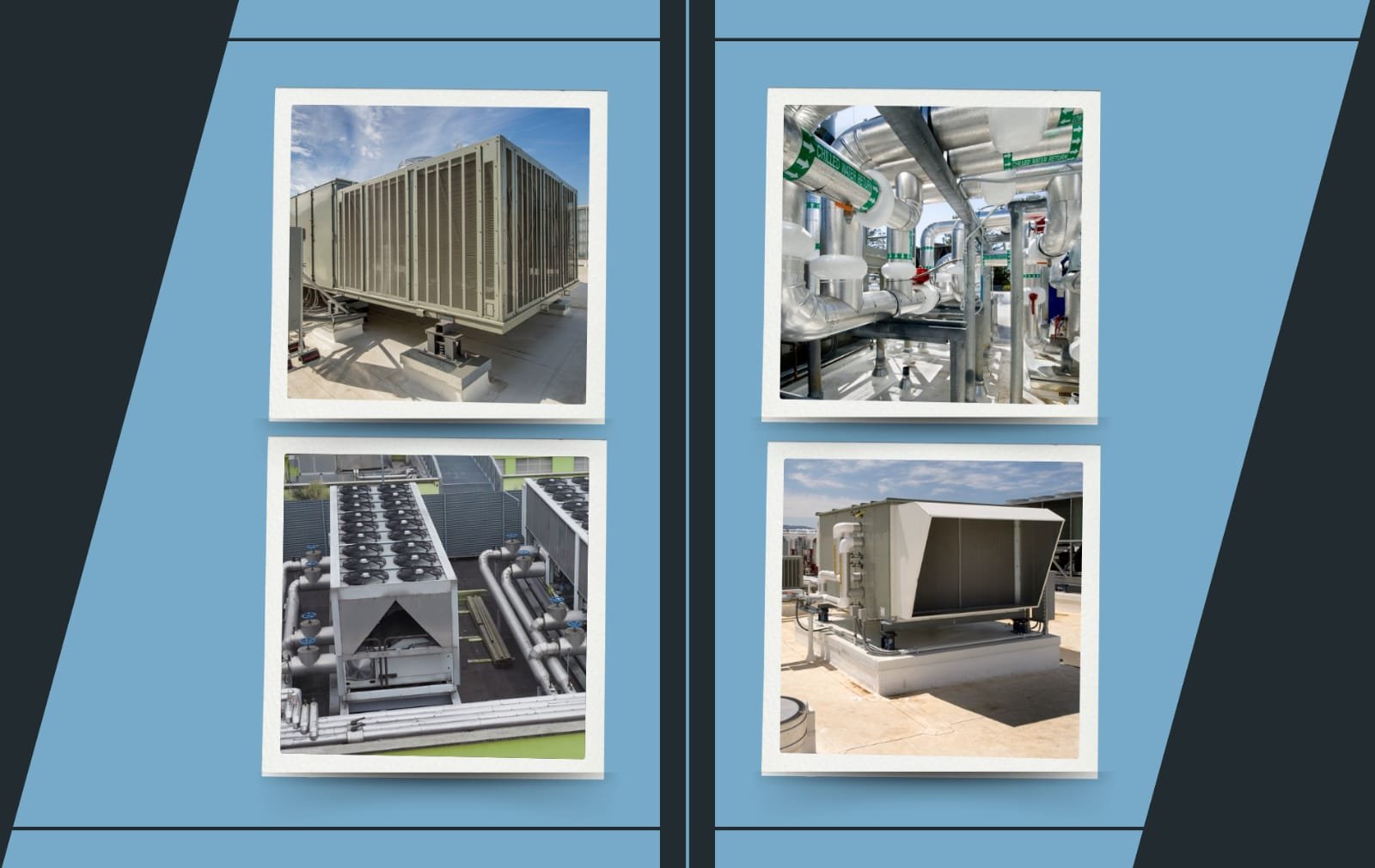
This course offers an in-depth exploration of HVAC system fundamentals, sizing, selection, and operation, providing valuable insights for both designers and operators.
-
Single Attendee Price: $2,495.00
Workshops: 3
Duration: 5 days
Skill Level: Beginner
Credit Hours: 2.8 CEUs (28 PDHs)
Course Code: HVBE04-ONL25
Overview
Mastering the fundamentals, sizing, selection, and operation is essential for both designers and operators of HVAC systems. This comprehensive course delves into the core principles of HVAC systems, commencing with Psychrometry and proceeding to the representation and calculations of air conditioning processes and cycles.
Participants will learn cooling and heating load calculations, the design of air distribution systems, HVAC equipment and system selection, controls, energy conservation, and the economics of HVAC systems. Additionally, the course demonstrates the utilization of Carrier’s Hourly Analysis Program (HAP) for the design and sizing of HVAC Systems.
Moreover, attendees will benefit from numerous practical rules of thumb, aiding beginners in system design and sizing, while offering experienced professionals valuable insights for quick design and operational checks.
Course Outline:
Psychrometry
Air Conditioning Cycles
Space Conditions – Comfort
Cooling/Heating Load Calculations
Rules of Thumb (ROTs)
Design of Air Distribution System (Duct Design)
Workshops
HVAC Equipment and System Selection
Control Strategies, Energy and Costs
Design of Water Distribution Systems
What You Will Learn
Fundamentals of the design and operation of HVAC systems.
Air conditioning cycle, load, duct, and hydronic piping design calculations.
Selection procedures of efficient operation of various HVAC equipment and systems.
Recognizing energy saving opportunities in HVAC systems and equipment.
Select and design efficient controls of HVAC systems at part-load.
Who Should Attend
Design and Project Engineers and Technologists
Plant and Facility Engineers
Consultants
Mechanical Engineers and Technologists
Maintenance and Operation Personnel
Other Technical Personnel who need to Upgrade/Refresh their current Knowledge of HVAC Systems.