
Energy
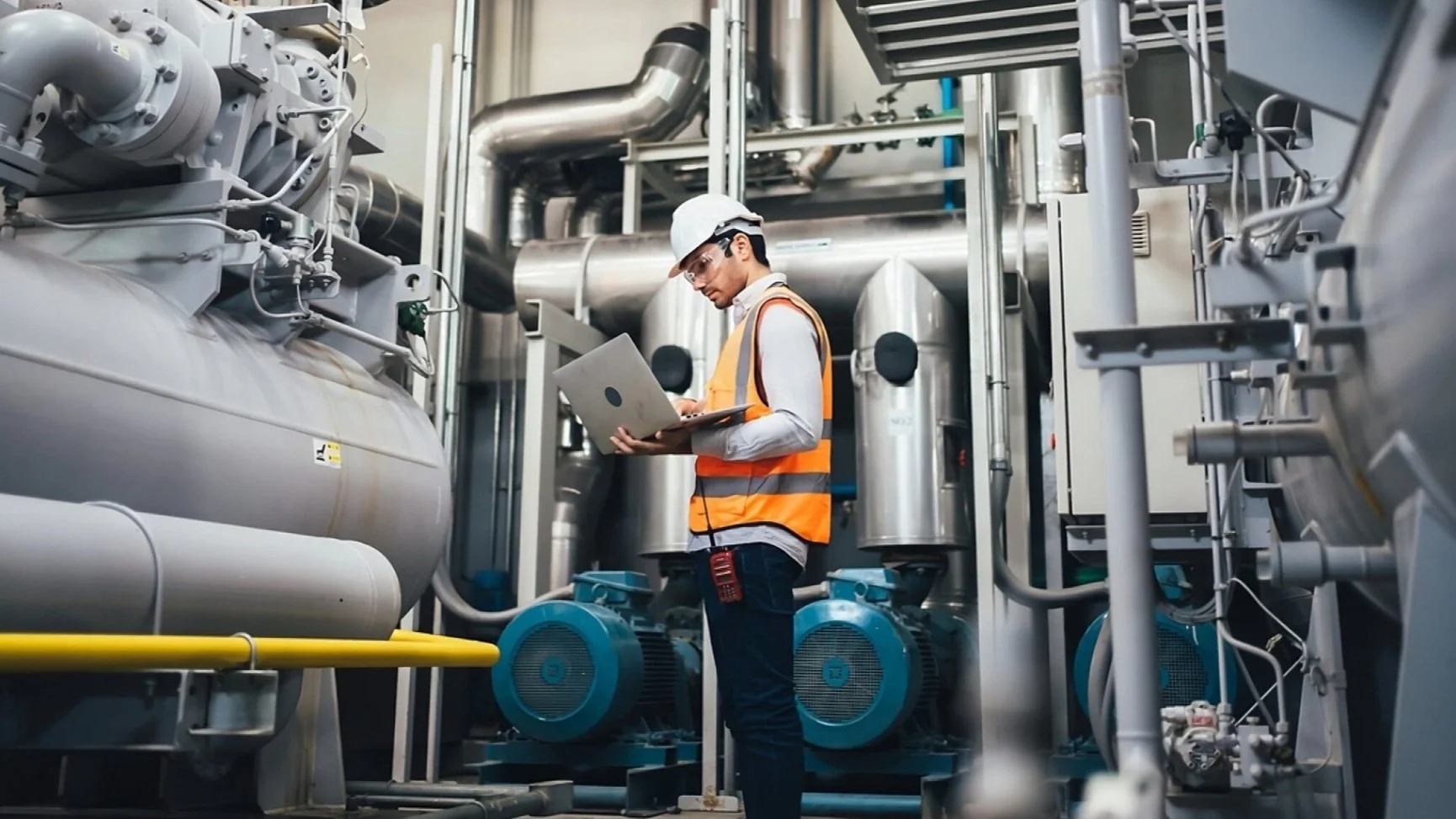
This course provides essential knowledge and tools for identifying and implementing energy-saving opportunities (ESOs) in industrial equipment and systems, offering significant cost-saving potential.
-
Single Attendee Price: $2,495.00
Workshops: 4
Duration: 5 days
Skill Level: Beginner
Credit Hours: 2.2 CEUs (22 PDHs)
Course Code: 060905-ONL25
Overview
Efficient engineering practices, combined with advanced energy management programs, can generate energy savings exceeding 40% of an industrial facility's total energy costs. This course equips participants with expertise in technology-based energy conservation measures and analysis procedures to achieve these savings.
The course covers the fundamentals of energy conservation analysis and technical methodologies for assessing ESOs in equipment and systems commonly found in industrial facilities. Participants will also gain hands-on experience with one of the most widely used energy conservation software tools in North America and internationally. The knowledge shared is applicable for optimizing existing equipment and selecting energy-efficient new systems. Workshops on real case studies, guided by the instructor, provide valuable practical experience. Participants are encouraged to bring their own laptops for the course.
Course Outline
Fundamentals of Energy Conservation Analysis
Introduction and Demonstration of Energy Conservation Computer Software
Energy Saving Opportunities (ESOs) in Boiler Systems
ESOs in Steam Distribution Systems
ESOs in Waste-Heat Recovery and Cogeneration Systems
ESOs in HVAC Systems
ESOs in Lighting Systems
ESOs in Piping Systems Using Pumps and Fans
What You’ll Learn
After attending this course, participants will be able to:
Perform advanced energy management and conservation analyses for industrial equipment and systems
Identify and assess energy-saving opportunities in a range of industrial equipment and systems
Utilize a leading energy conservation software tool to analyze the feasibility of energy-saving projects
Who Should Attend
Design and project engineers
Technologists
Plant and facility engineers
Consultants
Mechanical engineers and technologists
Maintenance and operation personnel
Other technical personnel needing to upgrade/refresh their knowledge of HVAC and energy conservation systems